
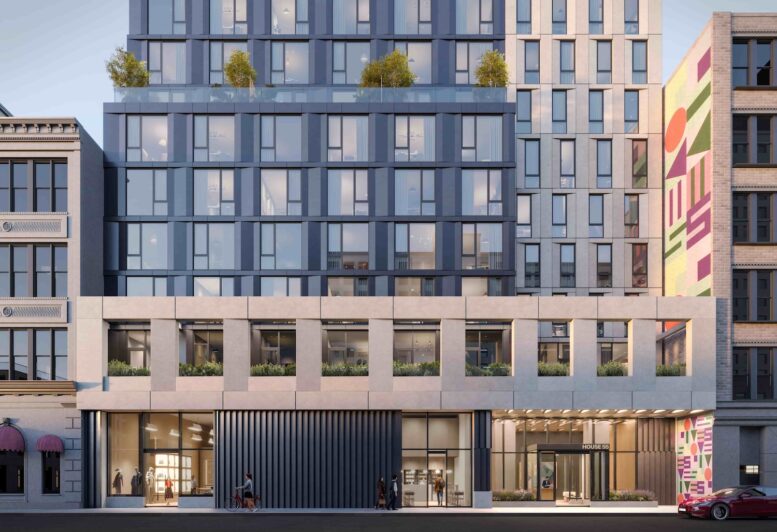
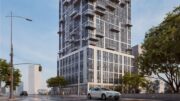
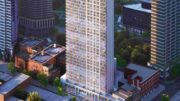
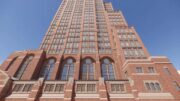
The affordable housing lottery has launched for House 55, a 38-story residential building at 55 Willoughby Street in Downtown Brooklyn. Designed by Colberg Architecture with Architecture Outfit, and developed in a joint venture by Lonicera Partners and Rabina, the structure yields 295 residences. Available on NYC Housing Connect are 89 units for residents at 130 percent of the area median income (AMI), ranging in eligible income from $126,343 to $227,500.

55 Willoughby Street in Downtown Brooklyn via NYC Housing Connect
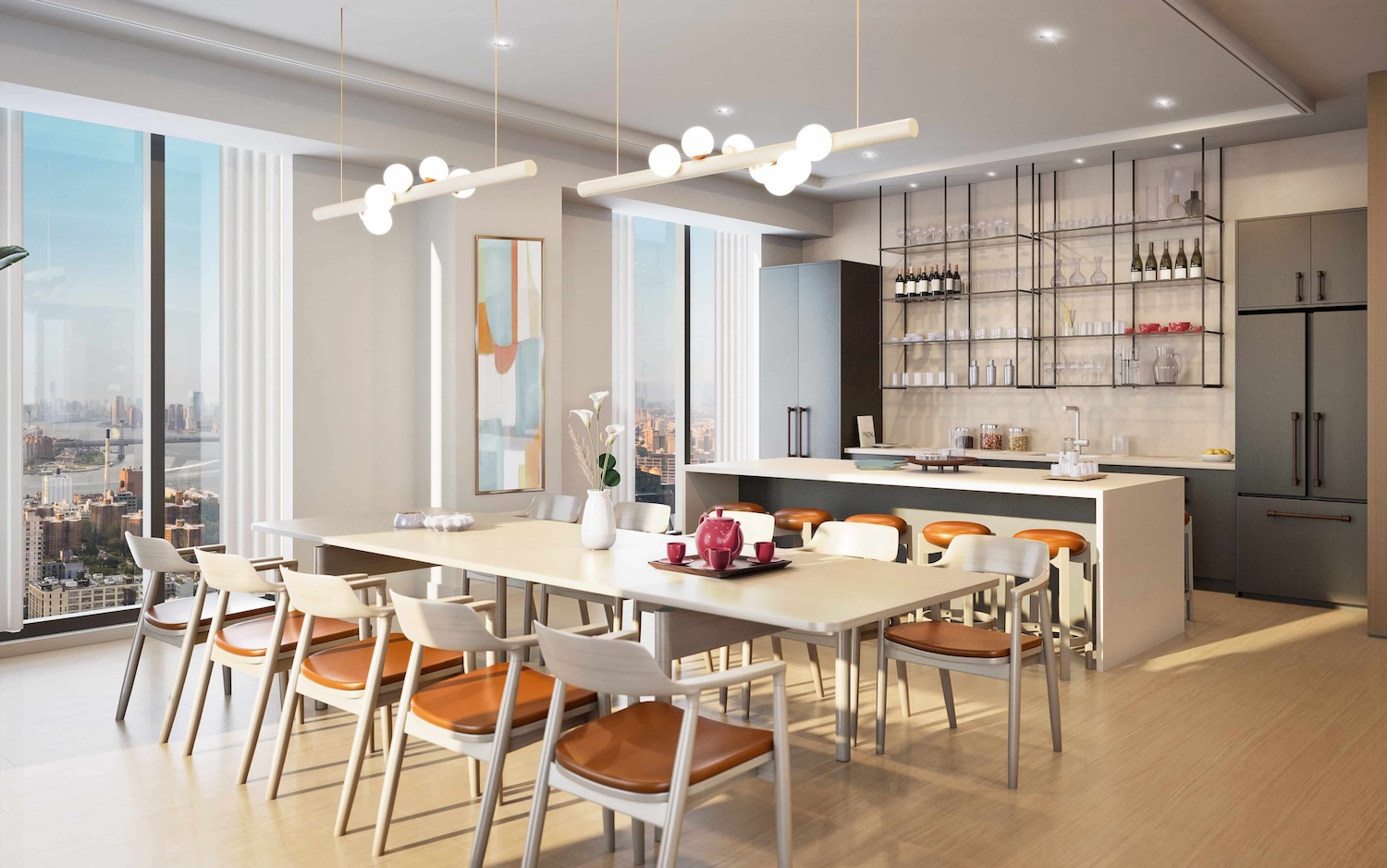
55 Willoughby Street in Downtown Brooklyn via NYC Housing Connect

55 Willoughby Street in Downtown Brooklyn via NYC Housing Connect
Amenities include an elevator, pet-friendly policies, package lockers, bike storage lockers, gym, media room, party room, recreation room, business center, doorman, and a rooftop terrace. Residences are equipped with intercoms. Tenants are responsible for electricity including stove and heat.
Incentives include one month free rent on a one-year lease, two months free rent on a two-year lease, and 50 percent off amenities in the first year, and a $1,000 security deposit.
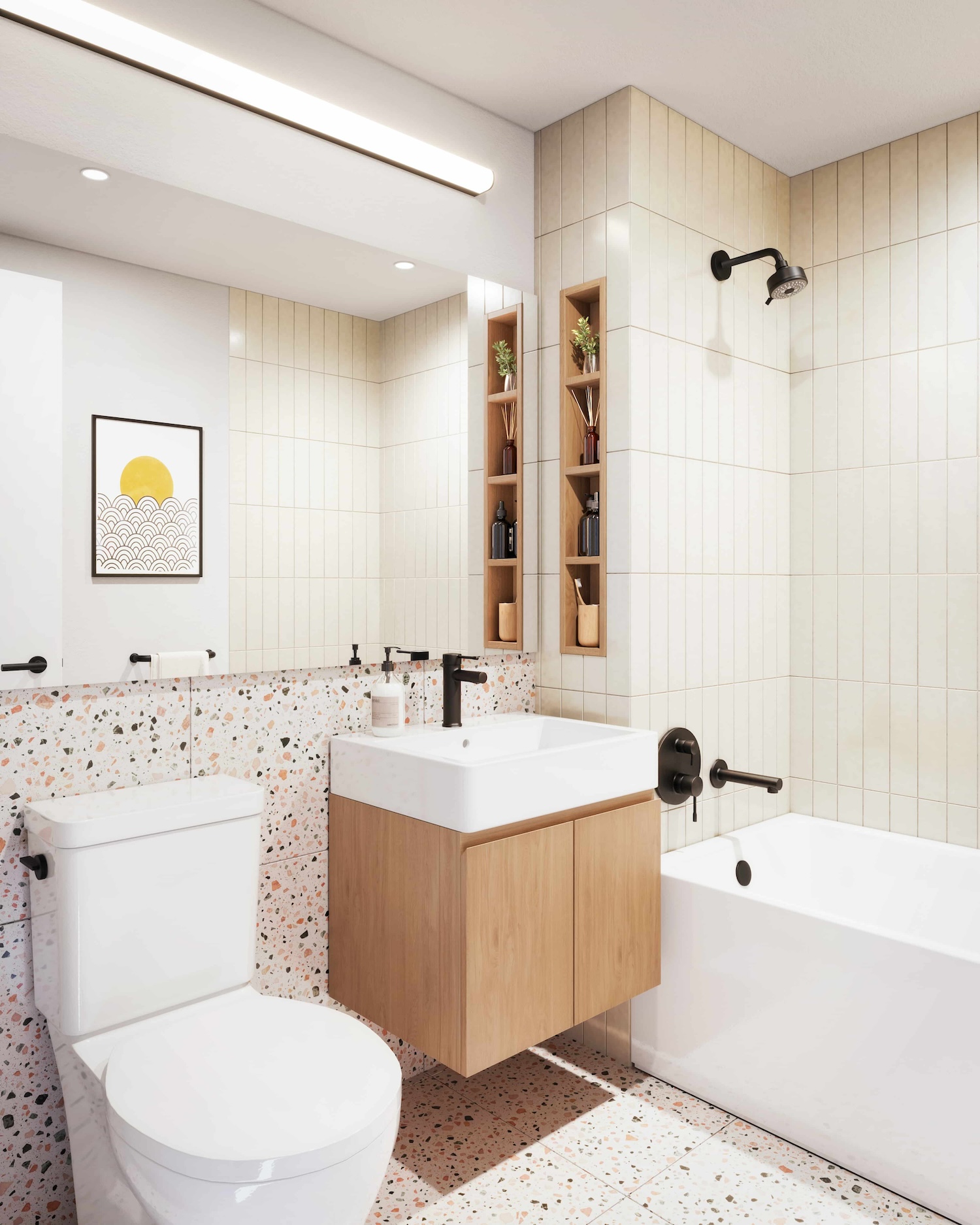
55 Willoughby Street in Downtown Brooklyn via NYC Housing Connect
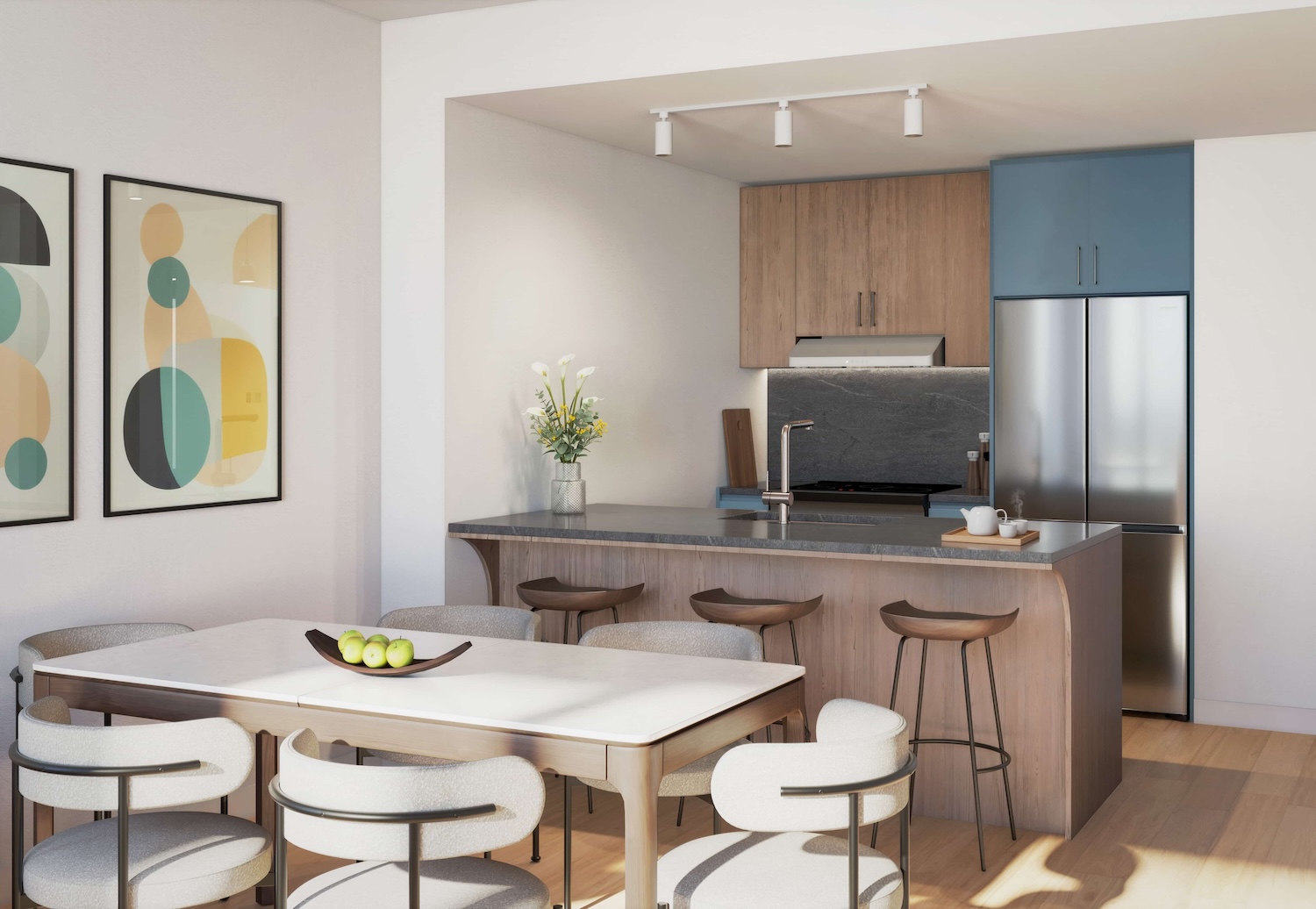
55 Willoughby Street in Downtown Brooklyn via NYC Housing Connect
At 130 percent of the AMI, there are three studios with a monthly rent of $3,543 for incomes ranging from $126,343 to $168,480; 22 one-bedrooms with a monthly rent of $3,600 for incomes ranging from $129,052 to $189,540; 60 one-bedrooms with a monthly rent of $3,784 for incomes ranging from $135,360 to $189,540; and four two-bedrooms with a monthly rent of $4,518 for incomes ranging from $162,446 to $227,500.
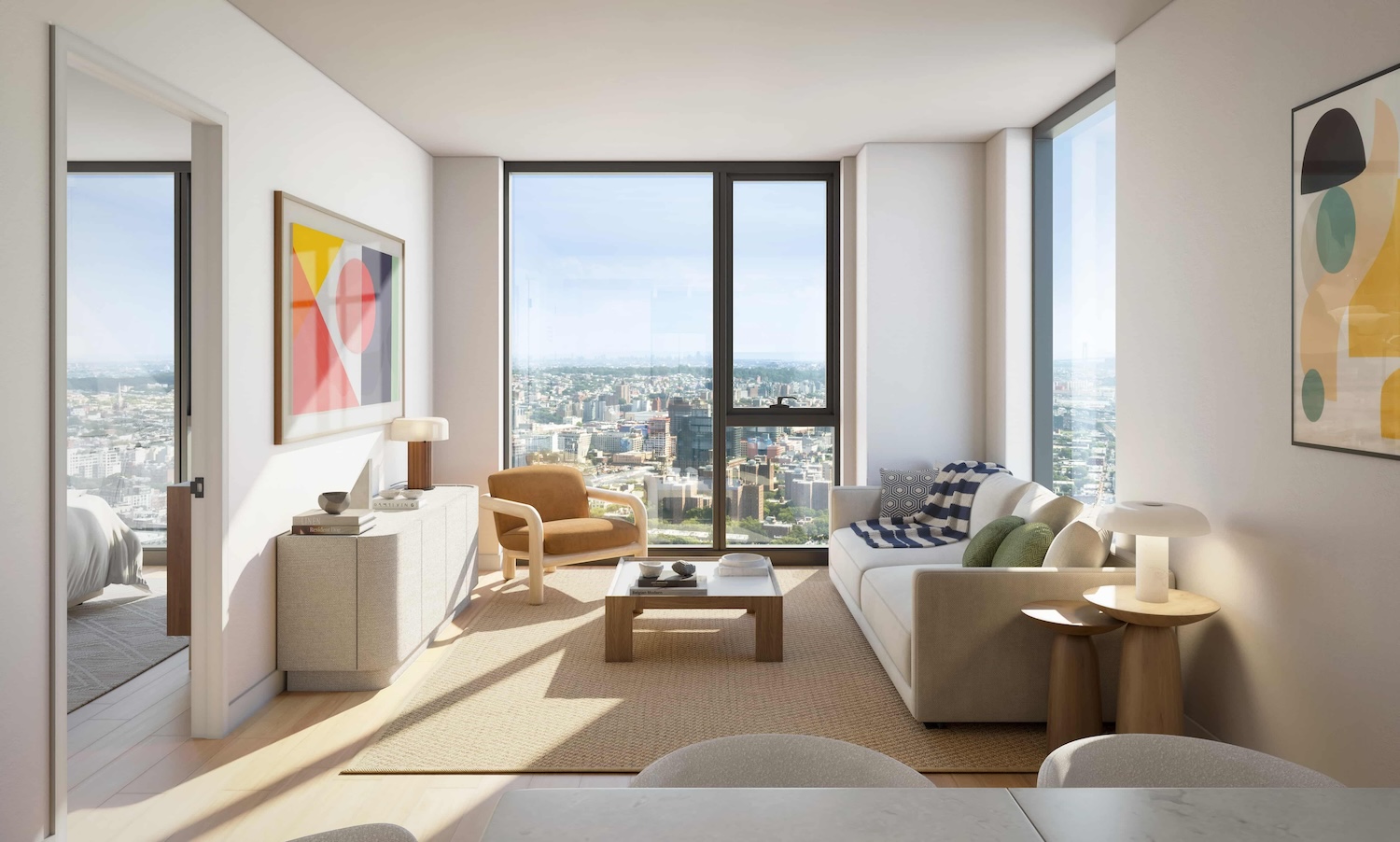
55 Willoughby Street in Downtown Brooklyn via NYC Housing Connect
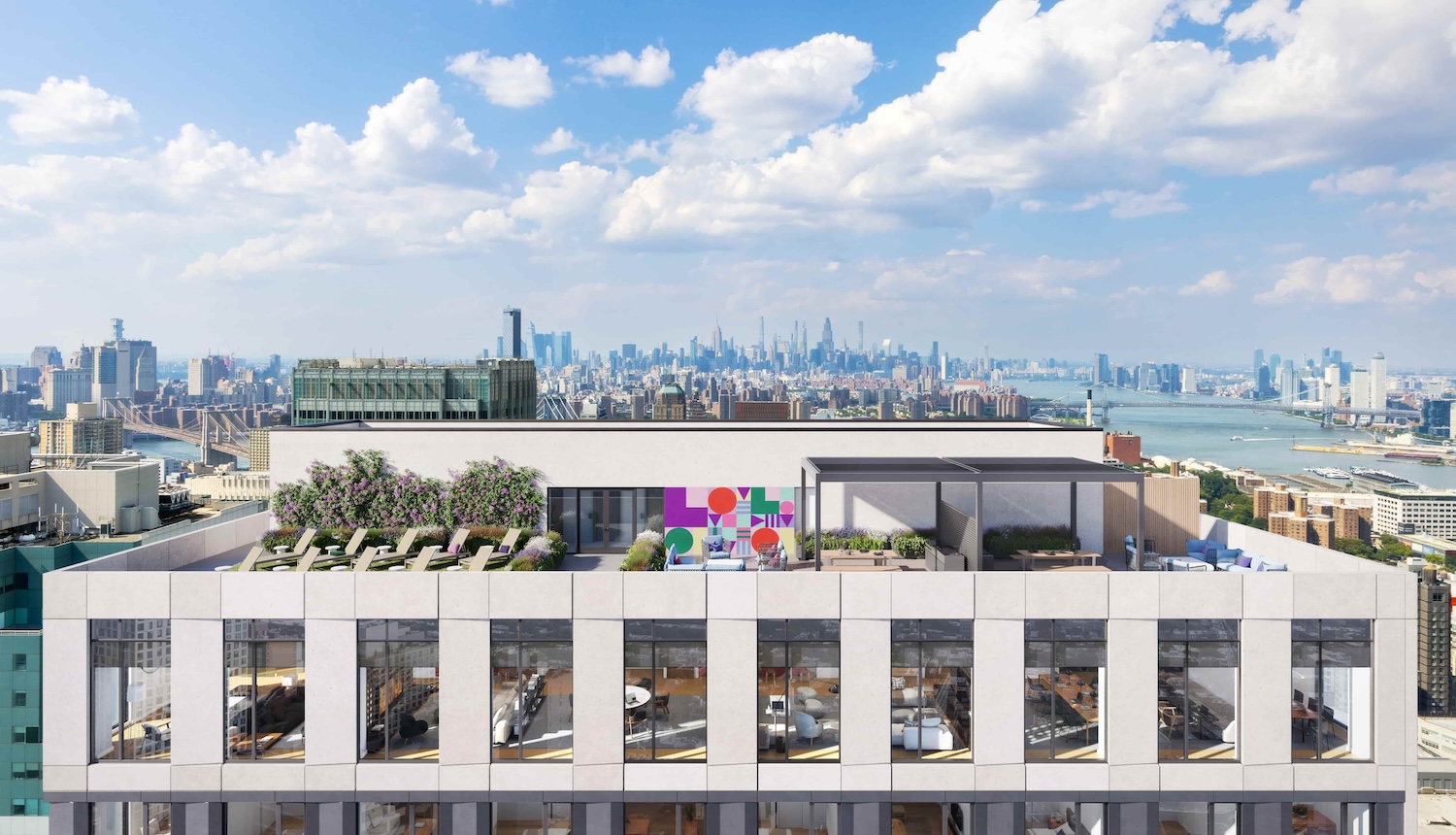
55 Willoughby Street in Downtown Brooklyn via NYC Housing Connect
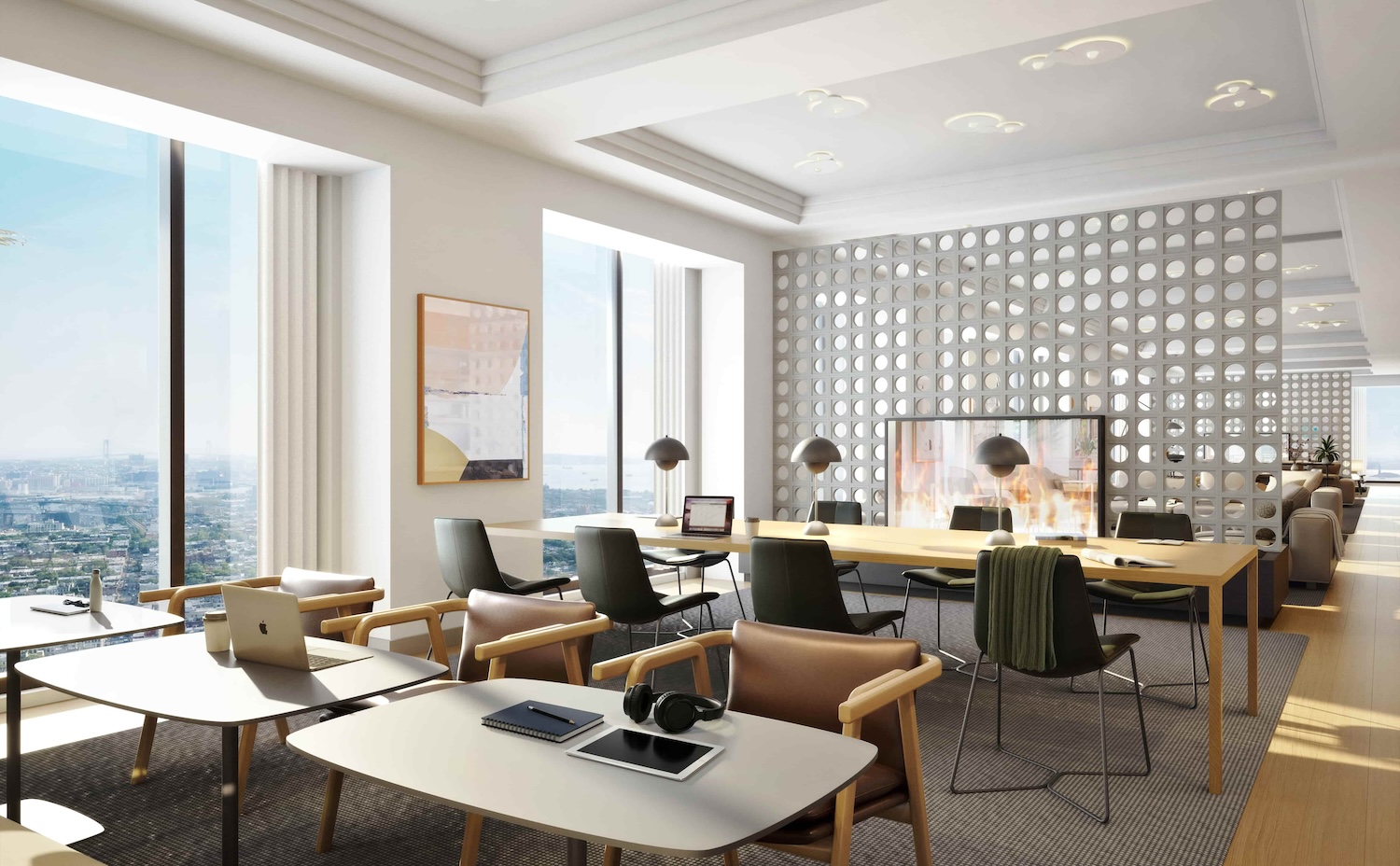
55 Willoughby Street in Downtown Brooklyn via NYC Housing Connect
Prospective renters must meet income and household size requirements to apply for these apartments. Applications must be postmarked or submitted online no later than March 9, 2026.
Subscribe to YIMBY’s daily e-mail

Follow YIMBYgram for real-time photo updates
Like YIMBY on Facebook
Follow YIMBY’s Twitter for the latest in YIMBYnews
Nothing quite as frustrating as seeing just the first few floors of a 40 story building..
The more affluent people moving into the neighborhood the hardest to apply for the affordable housing. The AMI goes up, and the lower income people are price out. So don’t call it affordable its market rate. Keep dreaming people.
NYC zoning hard at work guaranteeing inept outcomes.
130% AMI is affordable for only 20% of the people in the area. How is this considered affordable? Meanwhile the other 2/3 of the units are just plain unaffordable. Does any public money or tax breaks get used to fund these “affordable” buildings?